The Golden Retriever's enduring popularity comes with an uncomfortable reality: they carry disproportionately high rates of several serious health conditions, most notably cancer, orthopedic disease, and cardiac conditions. The good news is that many of these conditions respond dramatically to early detection, appropriate nutrition, and lifestyle management.
1. Cancer: The Leading Health Threat in Goldens
Golden Retrievers have one of the highest cancer rates of any dog breed. Approximately 60% of Golden Retrievers will develop cancer in their lifetime, compared to about 25% for dogs overall. The most common types include hemangiosarcoma, lymphoma, mast cell tumors, and osteosarcoma.
2. Hip and Elbow Dysplasia
Hip dysplasia affects an estimated 20% of Golden Retrievers. It occurs when the hip joint develops abnormally, leading to instability, cartilage wear, and progressive arthritis. Goldens fed large-breed puppy formula develop orthopedic disease at lower rates than those fed standard puppy food. Maintaining lean body weight reduces joint loading substantially.
Signs to Watch For:
- Bunny-hopping gait when running
- Reluctance to jump, climb stairs, or rise from lying down
- Swaying or asymmetric rear-end movement
- Muscle loss in hindquarters (later-stage hip dysplasia)
3. Subvalvular Aortic Stenosis (SAS)
SAS is a congenital heart defect more prevalent in Golden Retrievers than most breeds. It involves obstruction of blood flow from the left ventricle. Mild cases may never cause problems; severe cases can cause sudden death in young dogs without prior symptoms. Annual cardiac auscultation by your veterinarian is the standard screening approach.
4. Hypothyroidism
Golden Retrievers have elevated rates of autoimmune hypothyroidism. This manifests slowly, typically in middle age: weight gain despite normal food intake, lethargy, cold intolerance, bilateral symmetrical hair loss, and skin thickening. It's diagnosed with a simple blood panel and managed effectively with once-daily hormone replacement.
5. Gastric Dilatation-Volvulus (GDV / Bloat)
Golden Retrievers, as large deep-chested dogs, face meaningful GDV risk. The condition is often triggered by fast eating, large single meals, and exercise around feeding. Prevention strategies: twice-daily feeding, use of a slow feeder bowl, and no vigorous exercise within 60 minutes of eating.
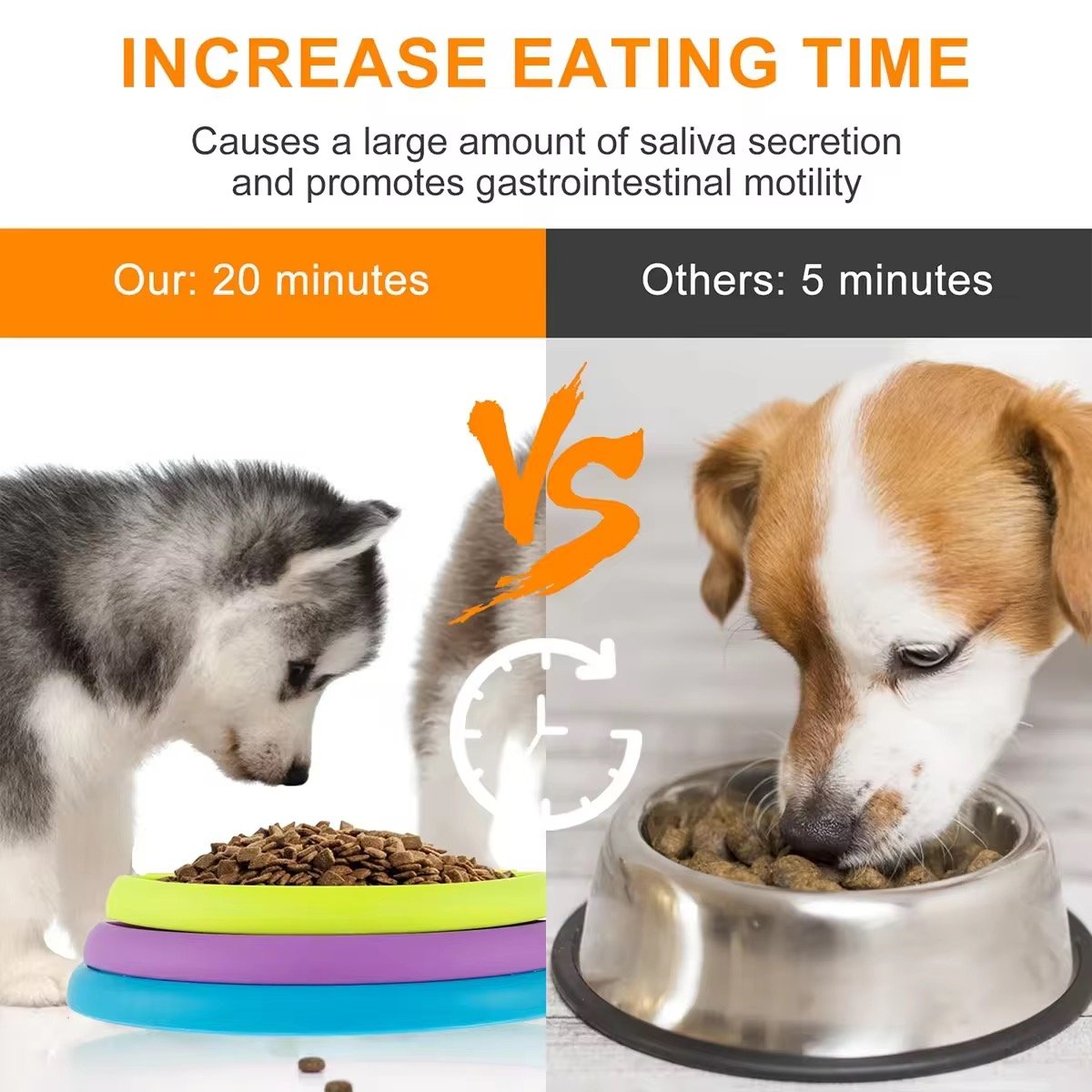
Reduce Bloat Risk With Every Meal
The Vozonix 3-Level Slow Feeder helps Golden Retrievers eat at a safe pace, reducing air ingestion and GDV risk. Vet-approved, BPA-free, dishwasher safe.
Shop the Vozonix Slow Feeder — $24.99 →✅ Evidence-Based Prevention Checklist for Golden Owners
- Annual veterinary wellness exams — biannual after age 7
- Cardiac screening at every exam (auscultation for SAS murmur)
- OFA hip and elbow radiographs at age 2 — even if asymptomatic
- Thyroid panel every 2 years from age 4 onward
- Feed a large-breed formula; maintain lean body condition (BCS 4–5/9)
- Omega-3 fatty acid supplementation for anti-inflammatory support
- Monthly skin and lymph node checks — lumps should always be evaluated