Rescue dogs arrive carrying history you don't know. Even the most well-documented shelter dog has large gaps in their story. That uncertainty — and how you respond to it — determines whether your new dog blossoms into a confident companion or develops chronic anxiety behaviors that become difficult to manage later.
The 3-3-3 Rule: Your Rescue Dog's Timeline
- First 3 days: Your dog is overwhelmed. They may shut down, refuse to eat, or appear hyperactive. Don't interpret initial behavior as personality — they're in survival mode.
- First 3 weeks: Your dog begins to understand the routine. True personality starts to emerge. You may start seeing behaviors they suppressed initially — both positive and challenging.
- First 3 months: Your dog begins to feel at home. They understand your schedule, recognize your cues, and start building genuine trust and attachment.
💡 The Most Important Rule for Day 1–3
Do less than you think you should. No grand introductions to neighbors, no bringing other dogs over, no big family gatherings. Let your dog decompress in a quiet space. The single most valuable thing you can do in the first 72 hours is give your rescue dog calm, predictable silence.
Mealtime: The First Place to Build Trust
Food is one of the most powerful trust-building tools you have with a rescue dog. Many rescues have food insecurity histories — they were stray, underfed, or competed for food in high-density shelter environments. As a result, they often eat extremely fast, guard food, or show anxiety around meal delivery.
Establishing a calm, consistent feeding ritual from day one sends a profound signal: food is reliable, safe, and plentiful here. Feed at the same time every day, in the same quiet spot. If your rescue gulps frantically, a slow feeder bowl serves double duty: it reduces the bloat risk that comes from fast eating, and it transforms a frantic event into a calm, engaging activity.
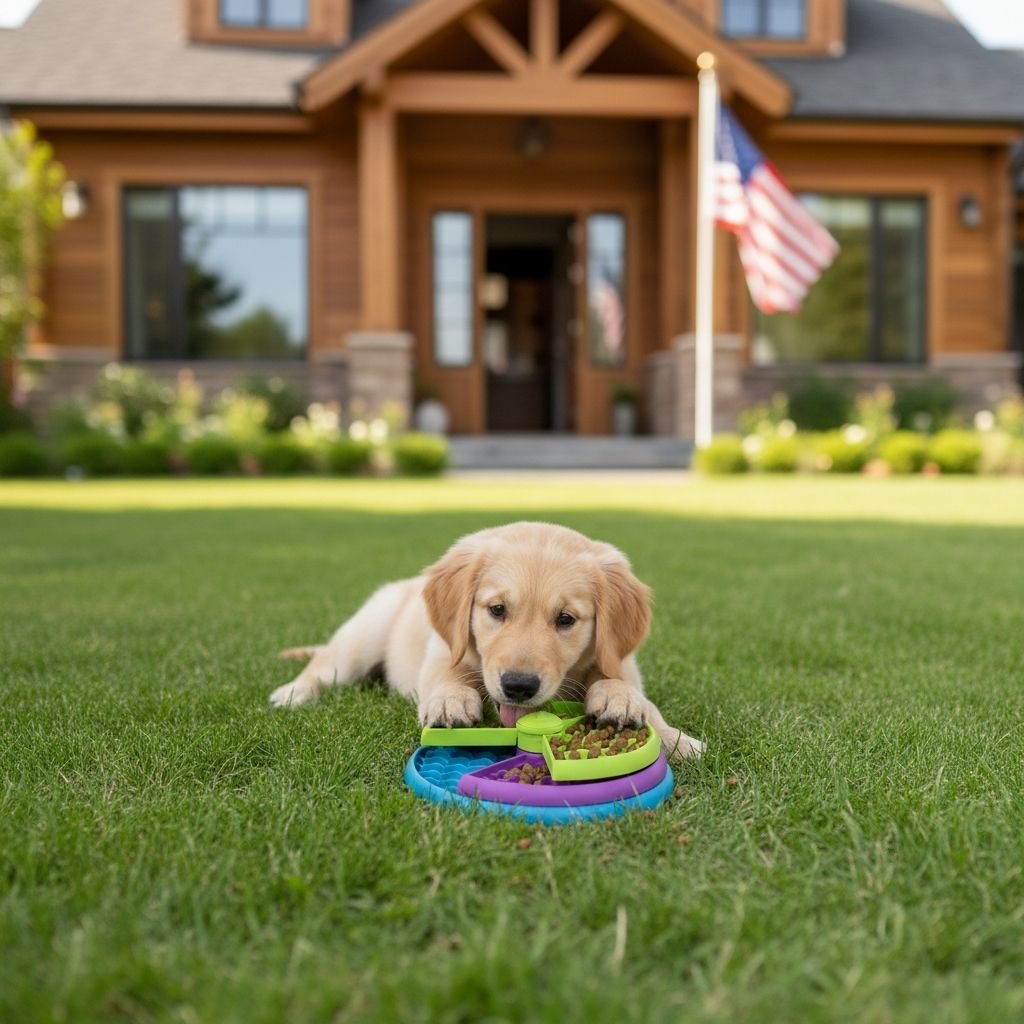
Calm Mealtime, Calmer Dog
The Vozonix Slow Feeder helps rescue dogs eat at a safe pace — reducing anxiety, preventing dangerous gulping, and turning every meal into a trust-building ritual.
Shop the Vozonix Slow Feeder — $24.99 →Building Trust Without Forcing It
Parallel Presence
Sit near your dog without looking at them or reaching toward them. Read a book. Watch TV. Let them choose when to approach. This builds trust far faster than attempting to pet an unwilling dog — your dog learns you respect their boundaries, which makes them want to close the distance themselves.
Predictable Routine
Routine is the single most calming thing you can provide a rescue dog. Meals at the same time. Walks at the same time. Bedtime at the same time. Every predictable event reduces cortisol. The more boring and consistent your schedule, the faster your rescue dog will relax.
⚠️ Common Mistakes With New Rescue Dogs
- Introducing them to too many people or dogs too quickly
- Taking them off-leash in unfenced areas before solid recall is established
- Interpreting initial clinginess as secure attachment — it's often anxiety
- Free-feeding (no structure) instead of scheduled meals
- Forcing interaction when the dog signals discomfort (yawning, lip licking, turning away)