Water is the single most important nutrient in your dog's diet — more critical than protein, fat, or any vitamin. A dog can survive weeks without food but only days without water. Yet hydration is one of the most overlooked aspects of canine care.
Knowing your dog's daily water needs isn't just trivia. Significant changes in water consumption — both increases and decreases — can be the earliest detectable sign of serious health conditions.
The Formula: How Much Water Does a Dog Need?
The standard veterinary guideline: dogs need approximately 1 ounce of water per pound of body weight per day (roughly 50–70ml per kilogram). This is the baseline at moderate activity and temperature.
| Dog Weight | Minimum Daily Water | Active / Hot Day |
|---|---|---|
| 5 lbs (2.3 kg) | 5 oz / 150ml | 8–10 oz / 240–300ml |
| 15 lbs (6.8 kg) | 15 oz / 440ml | 20–25 oz / 600–740ml |
| 30 lbs (13.6 kg) | 30 oz / 890ml | 40–50 oz / 1.2–1.5L |
| 60 lbs (27 kg) | 60 oz / 1.8L | 80–100 oz / 2.4–3L |
| 90 lbs (41 kg) | 90 oz / 2.7L | 120+ oz / 3.5L+ |
Factors That Change Your Dog's Water Needs
Diet Type: Dry vs. Wet Food
Dogs on dry kibble need significantly more supplemental water than those on wet food. Dry kibble contains ~10% moisture; wet food is 70–80% water. A dog on wet food drinking less from their bowl is normal — not concerning.
Activity and Temperature
Working dogs or those exercised 2+ hours daily need two to three times the baseline intake. On hot days (above 80°F / 27°C), always increase water availability. Ensure shade and cool water are accessible outdoors.
Health Conditions
Kidney disease, diabetes, Cushing's disease, and urinary tract infections all affect water consumption. Pregnant and nursing dogs also require substantially more water. Any sudden change in drinking habits without an obvious cause warrants veterinary attention.
💡 The Skin Tent Test for Dehydration
Gently pinch the skin at the back of your dog's neck and release. If it snaps back instantly — hydration is fine. If it returns slowly or holds a "tent" shape — your dog may be dehydrated. Also check: dry or tacky gums are a reliable hydration indicator.
When Your Dog Is Drinking Too Much (Polydipsia)
If your dog is suddenly drinking two to three times their normal amount without a clear environmental reason, this warrants a vet visit. Common underlying causes include:
- Diabetes mellitus — insufficient insulin drives blood glucose elevation and thirst
- Cushing's disease — cortisol overproduction, common in middle-aged and older dogs
- Kidney disease — damaged kidneys can't concentrate urine, increasing water loss
- Pyometra — uterine infection in unspayed females; a serious emergency
- Liver disease — affects fluid balance regulation throughout the body
🚨 See a Vet If Your Dog Shows These Signs
- Drinking noticeably more than usual for 2+ consecutive days
- Urinating very frequently or having accidents indoors
- Excessive drinking combined with unexpected weight loss
- Refusing water entirely for more than 12 hours
- Vomiting combined with reduced water intake
✅ Tips to Encourage Your Dog to Drink More
- Use a pet water fountain — moving water appeals to most dogs
- Place multiple bowls in different rooms and outdoors
- Add a small amount of low-sodium, onion-free broth to water
- Wash bowls daily — dogs detect biofilm and slime easily
- Switch to wet food or add water to dry kibble
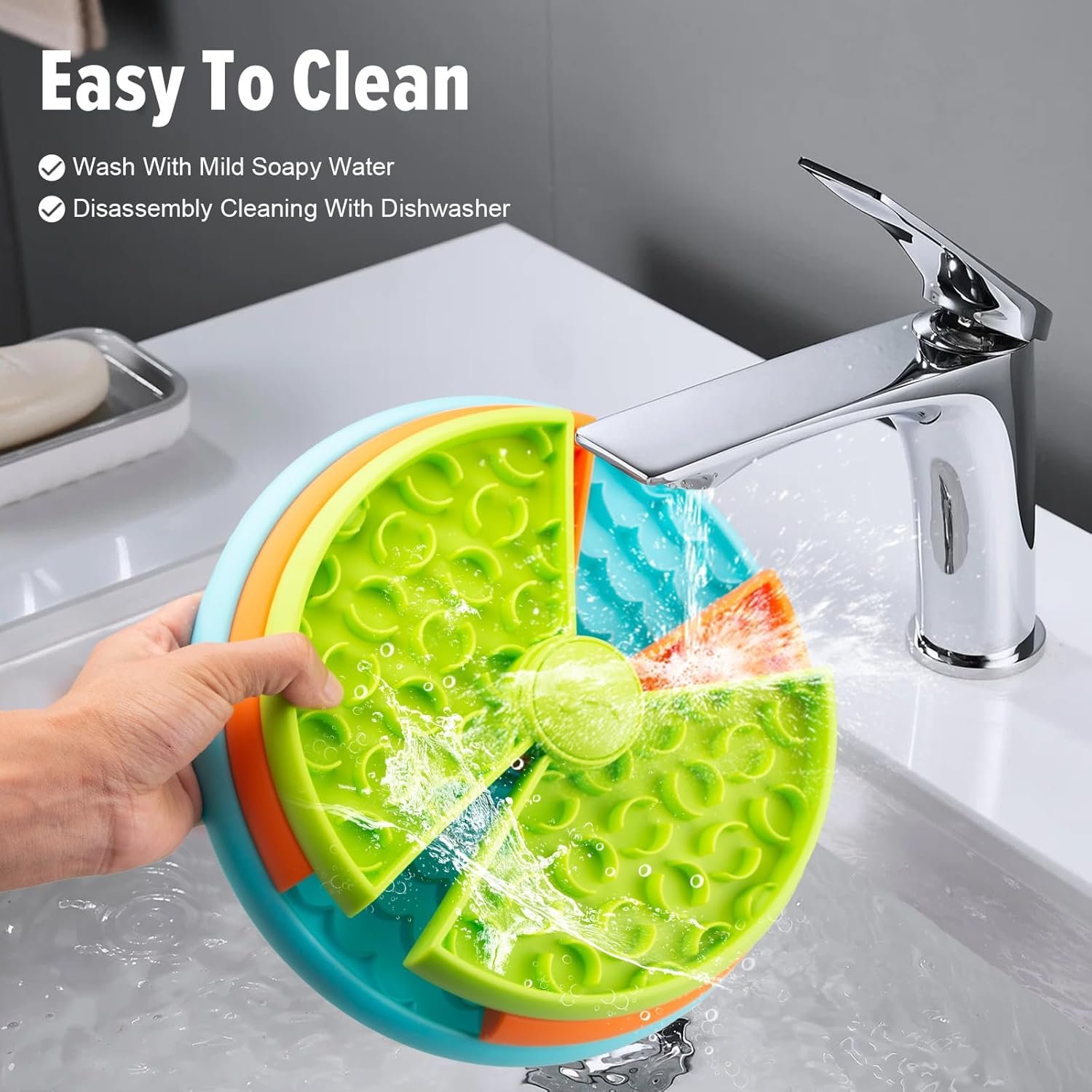
Slow Down Meals, Support Digestion
Fast eating causes air swallowing and digestive disruption. The Vozonix Slow Feeder helps regulate meal pace, supporting gut health with every meal — BPA-free, dishwasher safe.
Shop the Vozonix Slow Feeder — $24.99 →