Canine cognitive needs are dramatically underestimated by most owners. Dogs evolved as problem-solvers — animals that had to strategize, track, hunt, retrieve, herd, or guard. When these instincts have no outlet, they find one: usually in the form of destructive behavior, excessive barking, anxiety, or compulsive habits. The solution isn't always more exercise. It's more thinking.
The 12 Best Enrichment Activities, Ranked
1. Nose Work / Scent Detection
Consistently ranked as the highest-impact enrichment activity across all breeds and ages. Hide small amounts of high-value food around the house or yard and let your dog find it. The olfactory processing required engages far more of the brain than any physical activity. It also builds confidence in anxious dogs.
2. Slow Feeder Bowls and Puzzle Feeders
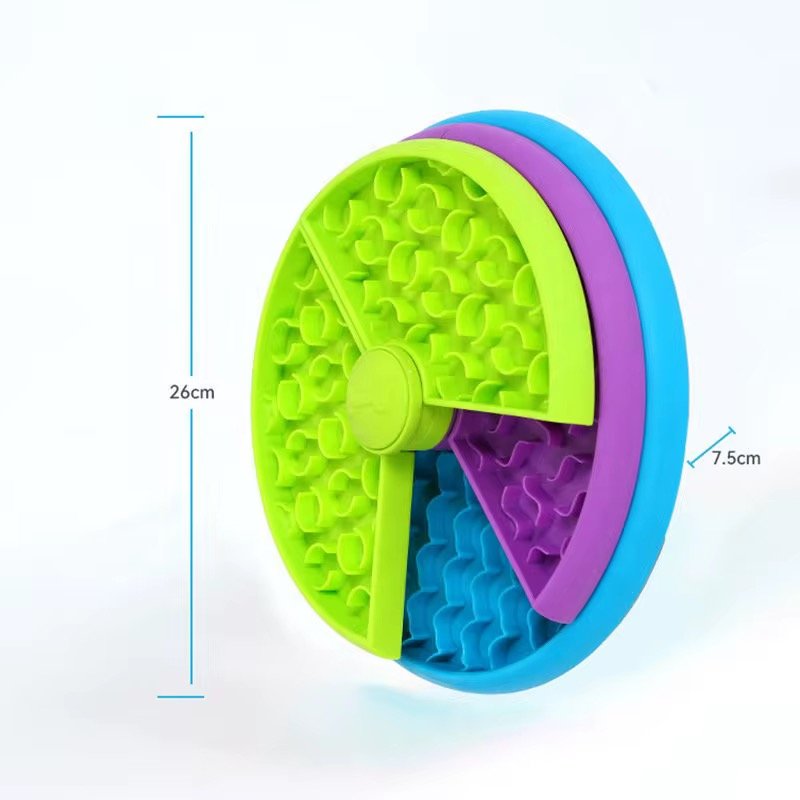
Transforming every meal into a problem-solving exercise is one of the highest-ROI enrichment investments available. A slow feeder bowl forces dogs to work for their food — navigating ridges and maze patterns to extract individual kibble pieces. This extends mealtime from 30 seconds to 8–12 minutes, provides cognitive engagement, prevents bloat-causing air ingestion, and reduces post-meal anxiety.
Twice-Daily Enrichment, Built In
The Vozonix 3-Level Puzzle Slow Feeder makes every meal an enrichment activity — reducing eating speed, preventing bloat, and engaging your dog's brain without any extra effort.
Shop the Vozonix Slow Feeder — $24.99 →3. Lick Mats
Spreading wet food, xylitol-free peanut butter, or yogurt on a textured lick mat engages a dog in rhythmic licking — which has documented anxiolytic effects through endorphin release. Ideal for high-anxiety dogs, vet visit preparation, or as a calming activity during thunderstorms.
4. Sniff Walks (Decompression Walks)
A "sniff walk" lets your dog set the pace and spend as long as they need at any smell. No heel commands, no destination. This is cognitively intense for dogs and provides information-gathering that structured walks deny them. Just 20 minutes of sniff walking provides equivalent enrichment to an hour of vigorous fetch.
5. Training — New Commands
Learning requires active cognitive engagement. Even 5–10 minutes of focused training on a new skill (trick, obedience, agility) provides significant mental fatigue and strengthens the human-dog bond.
6. Stuffed Frozen Kongs
Fill a Kong rubber toy with wet food, kibble soaked in broth, and high-value fillers. Freeze overnight. The combination of food reward and physical problem-solving provides 15–30 minutes of sustained engagement — especially effective for crate training and alone-time anxiety.
7. Puzzle Toys (Level-Appropriate)
Commercial puzzle feeders range from Level 1 (basic sliding panels) to Level 4 (multi-step sequential problem solving). Match the level to your dog's experience — starting too difficult creates frustration, too easy provides no benefit.
8. Dog Sports: Agility, Flyball, Disc
Organized dog sports provide simultaneous physical and cognitive enrichment — your dog must read environmental cues, respond to handler signals, and execute complex movement sequences.
9. Flirt Pole
A flirt pole is a giant cat wand for dogs — it engages prey drive in a controlled, mentally stimulating way. Particularly effective for terriers, herding breeds, and high-drive dogs that need prey drive outlets.
10–12. Food Dispensing Toys, Object Name Learning, Socialization
Food dispensing toys that release kibble when rolled encourage problem-solving and movement. Teaching your dog to identify and retrieve named objects by name provides weeks of training enrichment. And structured positive socialization with new dogs, people, or environments provides the cognitive demands of reading social signals — one of the most complex mental tasks dogs perform.
⚠️ Signs Your Dog Needs More Enrichment
- Destructive behavior — chewing furniture, digging
- Excessive barking or whining without obvious cause
- Restlessness — inability to settle even after physical exercise
- Compulsive behaviors (tail chasing, excessive paw licking)
- Obesity despite normal food intake — understimulation correlates with lower overall activity