Walk down the pet food aisle and you'll notice chicken appears in roughly 60% of all dog food formulas. It's lean, digestible, and most dogs love it. But when owners start preparing home-cooked meals or supplementing their dog's diet, a natural question emerges: is chicken every day actually safe — or does repetition eventually create problems?
The short answer: yes, dogs can eat chicken every day — but only when it's prepared correctly and forms part of a nutritionally complete diet. Here's everything the evidence says.
Why Chicken Works Well for Dogs
Chicken is one of the most bioavailable protein sources for dogs. "Bioavailable" means the body can efficiently absorb and use the amino acids it provides — which is the entire purpose of dietary protein.
Beyond macronutrients, chicken delivers B vitamins (especially B3 and B6), phosphorus, and selenium — all essential for healthy metabolism, coat quality, and immune function.
The Right Way to Feed Chicken Daily
1. Always Cook It First
Raw chicken carries real risk of Salmonella and Campylobacter — bacteria that affect both your dog and your household. Most veterinary organizations recommend cooked chicken. Boiling or baking without seasoning is ideal.
2. Remove All Skin and Bones
Chicken skin is high in fat and can trigger pancreatitis. Cooked chicken bones are dangerous — they splinter and can cause internal lacerations, blockages, or choking. Always debone completely before serving.
3. Zero Seasoning
Garlic, onion, salt, and most herbs are toxic to dogs. Chicken for your dog should be plain — no marinades, no sauces, no seasoning blends of any kind.
✅ Safe Daily Chicken Preparation Checklist
- Cooked to internal temp 165°F / 74°C
- Completely boneless — every bone removed
- Skinless — especially for pancreatitis-prone dogs
- Plain — zero seasoning, garlic, onion, or oil
- Cooled to room temperature before serving
The Critical Problem With Chicken-Only Diets
Here's where well-intentioned owners often go wrong: chicken alone is not a complete diet. It lacks calcium, vitamin D, vitamin E, omega-3 fatty acids, iodine, and trace minerals dogs need daily. Feeding only chicken — even excellent quality chicken — over weeks or months leads to nutritional deficiencies: brittle bones, skin problems, immune dysfunction.
⚠️ Nutritional Gaps in a Chicken-Only Diet
- Calcium: Critical for bone density — chicken meat has almost none
- Omega-3s: Chicken is high in omega-6 but very low in omega-3
- Vitamin D: Absent in chicken muscle meat
- Iodine: Needed for thyroid function — not found in chicken
Daily Chicken Portions by Dog Weight
| Dog Weight | Daily Chicken Amount | Notes |
|---|---|---|
| Under 10 lbs | 1–2 oz (30–55g) | Small breeds have faster metabolisms |
| 10–30 lbs | 2–4 oz (55–115g) | Adjust based on activity level |
| 30–60 lbs | 4–7 oz (115–200g) | Most common family dog size |
| 60–90 lbs | 7–10 oz (200–285g) | Large breeds need more total protein |
| 90+ lbs | 10–14 oz (285–400g) | Giant breeds — always vet-consult |
Chicken Allergy: What to Watch For
Chicken is one of the most common food allergens in dogs — largely because of how ubiquitous it is in commercial food. Dogs develop allergies through repeated exposure over time. If your dog has eaten chicken-based food for years and you notice new symptoms, an elimination diet trial may be needed.
⚠️ Signs of Chicken Allergy in Dogs
- Chronic itching — especially around ears, paws, and groin
- Recurring ear infections
- Loose stools, vomiting, or excessive gas
- Hair loss or dull coat despite adequate nutrition
- Skin redness or persistent "hot spots"
💡 Pro Tip: Rotate Proteins
Many veterinary nutritionists recommend rotating between 2–3 protein sources (chicken, turkey, salmon) on a rolling 3-month cycle. This reduces allergy sensitization risk and ensures broader micronutrient coverage.
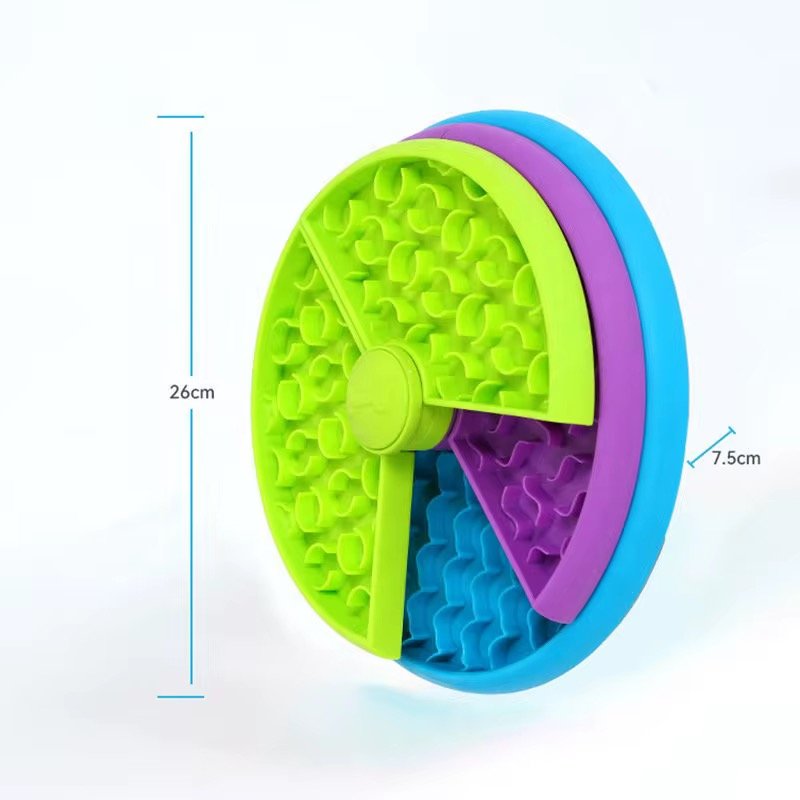
Feed Smarter, Not Just Better
Even the healthiest chicken meal can cause bloat if your dog eats too fast. The Vozonix 3-Level Slow Feeder reduces eating speed by up to 70% — protecting against air ingestion and GDV at every meal.
Shop the Vozonix Slow Feeder — $24.99 →Chicken as a Bland Diet for Sick Dogs
Boiled chicken with plain white rice is the standard veterinary recommendation for dogs recovering from vomiting, diarrhea, or GI upset. It's gentle on the digestive tract and encourages eating in dogs who've lost their appetite. This temporary diet (2–5 days) is safe for almost all dogs.